
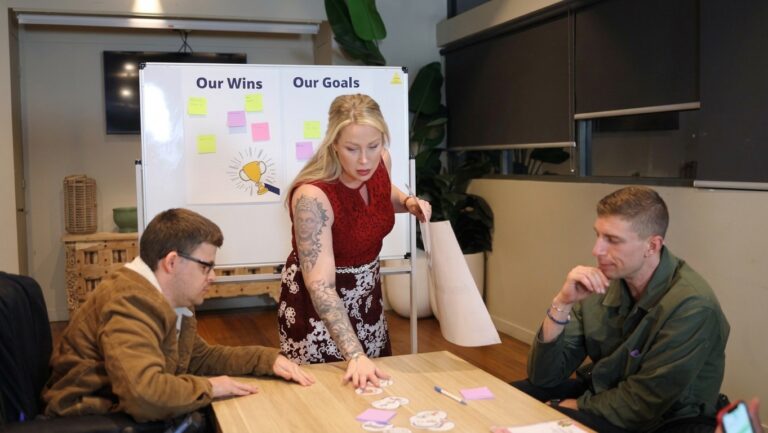
Choice Collective facilitation helps people guide conversations about how living together works — in ways that feel fair, clear, and grounded in what matters most to them. At Enliven Community, our role is to support these conversations and amplify people’s voice. We’re not the support provider, and we don’t set the rules – we make sure decisions are shaped together, with every person having space and influence.
Why Houses and Villas Matter
In houses and villas, people may share a home, live in separate villas on the same land, or simply share outdoor spaces. This area is unique because living arrangements are more personal and relational than in larger apartment-style designs. Decisions about how things work day-to-day — from visitors to shared spaces — can shape comfort and relationships. Facilitation creates space for people to lead these conversations, set shared expectations, and influence how their home life is organised. We do this because every home should reflect the people who live there — not just the systems around them.
How Shared Living has Evolved in NDIS Homes
Shared living in disability housing has changed dramatically over time. Before the NDIS, group homes were often structured around provider-led routines, with limited space for individual choice. Decisions about visitors, shared spaces, and daily rhythms were usually set by systems rather than shaped by the people living there.
The introduction of the NDIS has begun to shift the focus to choice and control, even in shared environments. Homes are no longer just service settings — they’re places where tenants have a voice in how life works day to day. At Enliven Community, we’ve seen this change firsthand: facilitation now helps make sure shared living feels fair, clear, and grounded in tenant voice.
Instead of “one-size-fits-all” rules, we support conversations that balance what’s shared and what’s different — from how outdoor areas are used to how visitors are welcomed. This ensures that shared living isn’t static; it’s evolving toward collaboration, respect, and flexibility, so every home feels like your home, not just a service setting.
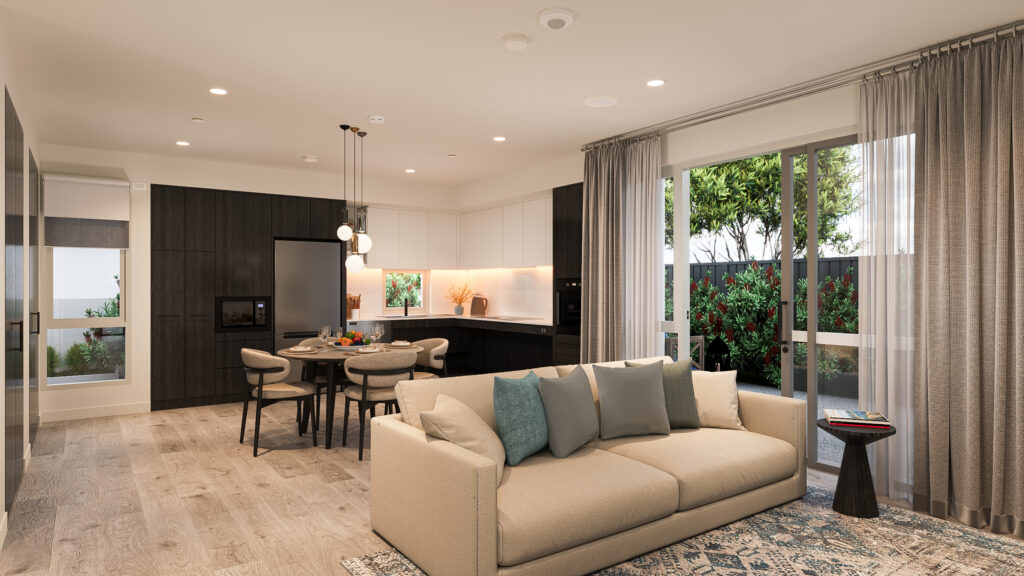
What’s Different
In 10+1 settings, people live in their own units but share onsite support. Facilitation here focuses on helping people collaborate on group processes that affect everyone — like agreeing on how shared support is coordinated, setting up ways to raise concerns, and planning group discussions about what’s working and what needs to change. These conversations make sure people have a clear, fair way to influence decisions that impact their daily lives.
In houses and villas, people also make group decisions and collaborate, with the focus on more of how we live together or share spaces within the property. Facilitation supports agreements about routines and shared spaces — for example, how visitors are welcomed or how outdoor areas are used — and ensures everyone’s voice is heard when arrangements differ. These conversations help create clarity and fairness in settings, where relationships and proximity matter most.
An example of how this could look in a house and villa
In a house or villa, facilitation can mean supporting tenants to agree on household routines, like how to welcome visitors or plan shared celebrations These conversations are shaped by the personal nature of living together in smaller settings, where decisions feel less like service processes and more like choices that make a home comfortable and inclusive for everyone.
Why It Matters
When facilitation is introduced in a way that fits the home, we see:
- Tenants feeling more confident to speak up
- Staff responding with clarity and consistency
- Homes that reflect the people in them — not just the systems around them
But it’s more than processes – it’s about mindset. Facilitation helps shift thinking for providers and workers, so they see the home first and foremost as someone’s personal space, not a workplace. This means decisions and interactions respect privacy, individuality, and what makes a home feel safe and comfortable — not just operational convenience. When this shift happens, relationships strengthen, trust grows, and the home truly reflects the people who live there. Facilitation helps hold space for what’s shared, what’s different, and what matters most.
What’s Next
We’ll keep listening, learning, and adapting — making sure facilitation continues to reflect what matters most in houses and villas by:
- Working alongside tenants and staff to shape ways of working that reflect how each tenant would like their home to run
- Supporting families, guardians, and providers to understand how decisions are made — and how they can contribute
- Staying responsive — checking in, adapting, and making sure what’s built together continues to reflect tenant voice
Facilitation isn’t a one-time step — it’s a shared process that keeps things clear, fair, and grounded in tenant voice. We’ll keep working side by side to make sure decisions are made with you, not for you.